








Germany has the largest regulated sex industry in Europe and the most paperwork attached to it. Since 1 July 2017 the sector has run under the Prostituiertenschutzgesetz — the Prostitutes Protection Act — which added three things at once: a registration duty for the people working, mandatory health counselling for them, and a licence requirement for anyone operating a prostitution business.
That last point is what separates Germany from most of the countries covered on this site. A brothel here is not tolerated, it is permitted — an operator holds an authorisation and carries duties that come with it.
What the operator is actually obliged to do
- Hold a licence. Running a prostitution business without authorisation is not a grey area in Germany; the permit requirement is the core of the 2017 Act.
- Work towards compliance with the condom obligation — and the Act puts that duty on the operator in respect of both the workers and the customers. The condom requirement is not a house rule you can negotiate around; it is in the statute.
- Keep the rooms used for sexual services stocked, throughout opening hours, with condoms, lubricant and hygiene supplies.
- Allow the authorities, or people they appoint, to come in and deliver health and STI-prevention counselling on the premises when asked.
- The people working register with the authorities and attend health counselling. Counselling — not compulsory testing, which is a distinction routinely got wrong, including for neighbouring countries where neither applies.
Where the venues are
We list 568 active German venues, of which 268 fall in the brothel category — the largest single national grouping on this site. They are spread across 101 cities, which is the thing worth absorbing: this is not a scene concentrated in two or three places.
Berlin leads with 48, then Munich with 23, Cologne 19, Hamburg 15 and Frankfurt 14. After that it flattens out fast — Münster has six, and Kaiserslautern, Karlsruhe, Stuttgart and Duisburg have four each. The long tail of one- and two-venue towns is most of the list.
One venue from each of the largest German cities

Lady Discreet
Berlin · Germany
Lady Discreet is a 24/7 adult entertainment venue located in Berlin Spandau. The club offers a variety of services including strip shows, table dance,...

Das Bordell Köln
Cologne · Germany
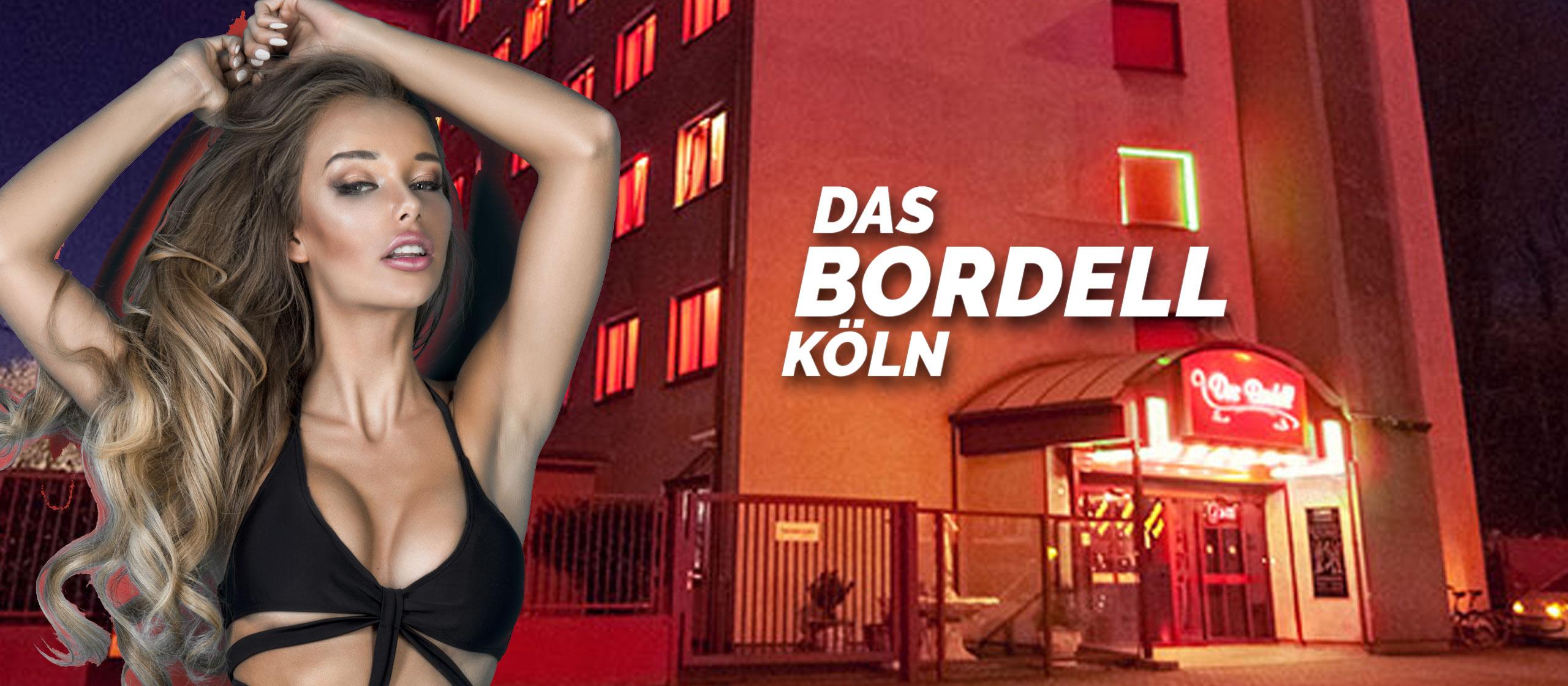
Das Bordell Köln is a laufhaus (walk-up brothel) with bar that has been operating since 1996, located in the heart of Cologne near the trade fair and...
Relax Nightclub
Hamburg · Germany
The Relax Nightclub is an exclusive night club located in a over 100-year-old city palace in the heart of Hamburg at Adenauerallee 30. Awarded third b...

Annas Team
Münster · Germany
Annas Team is a top address in Münster-Nienberge offering a private and discreet environment. Hot and willing ladies look forward to your visit. The w...

Hot and Sweet Privathaus
Kaiserslautern · Germany
For over 15 years, Hot and Sweet in Kaiserslautern has been known for its independent rotating female tenants offering top-quality service. Guests can...


Eroscenter Edelweiß
Stuttgart · Germany
Eroscenter Edelweiß is a laufhaus (walk-in house) located in the Leonhardsviertel, the official red-light district in the heart of Stuttgart's old tow...
The formats you will meet
- Laufhaus — a building of individually rented rooms, where the worker rents her room and you walk the corridors. The operator is a landlord rather than an employer.
- FKK or sauna club — one entry fee for the day, communal pools and saunas, company arranged privately inside. We cover the format and its confusing labels separately.
- Privathaus or Terminwohnung — a small apartment operation, usually by appointment, considerably more discreet.
- Eroscenter — the larger, multi-floor version of the Laufhaus, generally in the bigger cities.
- Erotic massage studio — a booked session in a private room, which is a different business with a different licence footprint.
Two of those have guides of their own: erotic saunas and FKK clubs, where the labelling is genuinely misleading, and erotic massage formats. Rules differ by federal state and by municipality on top of the national Act — our legal status hub covers the country position.
Frequently asked questions
Is prostitution legal in Germany?
Yes, and it is regulated rather than merely tolerated. The 2002 legislation recognised the work as work; the Prostitutes Protection Act, in force since 1 July 2017, added a registration duty for workers, mandatory health counselling, and a licence requirement for operators.
Are condoms legally required?
Yes. The condom obligation is in the Act, and the operator is required to work towards compliance by customers as well as by the people working. This is one of the few places where a duty of this kind falls on the customer as a matter of law rather than house policy.
Do German sex workers have to be tested?
No. They must register and must attend health counselling, which is not the same as compulsory testing — and the difference matters, because the two are constantly conflated. Counselling is a conversation and an entitlement to information; it is not a certificate of health.
What is a Laufhaus?
A building of individually rented rooms where each worker rents her own room and negotiates directly. You walk the corridors and knock. The operator is effectively a landlord, which is a different relationship from a club employing or hosting anyone.
How many German cities have venues?
We hold brothel-category listings in 101 German cities. Berlin, Munich, Cologne, Hamburg and Frankfurt account for the largest concentrations, but the majority of those 101 cities have only one or two — the sector is far more distributed than the big-city reputation suggests.
Do the rules vary within Germany?
Yes. The Act is federal, but licensing is administered locally and states and municipalities add their own restrictions — including areas where the business may not operate at all. Check the position for the specific city rather than assuming the national rule is the whole story.