








A hostess bar sells attention. Hostesses pour drinks, keep the conversation going, remember what you said last time and make the table feel like the most interesting one in the room. Physical contact is minimal and sexual services are not part of it — which is the single most common misunderstanding foreign visitors bring through the door.
What you are buying is time and flattery, billed by the hour, with drinks on top. Understanding that is the difference between an evening you enjoyed and a bill you did not expect.
How the bill is built
- A set charge covers a block of time at the table. When the block ends it is extended rather than ended, unless you say otherwise.
- Drinks are charged separately — yours and the ones bought for the hostess sitting with you. Hers are the ones that add up.
- Nomination (shimei, 指名) is a fee to request a specific hostess. Repeat customers nominate the same person, which is the mechanism the whole business runs on.
- Bottles are the high end. Ordering one changes the scale of the evening entirely.
- Service charges and late-night surcharges are normal and are often not the headline number.
- Get the whole structure — set charge, extension, drinks, nomination — before you sit down. Not after.
The law changed in 2025, and it changed for a reason
Both formats sit under the Fūeihō — Japan's act on the regulation and proper operation of businesses affecting public morals — as settai inshoku-tō eigyō, roughly "entertainment food and drink business". That category is the legal home of paid hospitality, and in 2025 it was tightened specifically because of what had been happening inside it.
The National Police Agency's own account of why is unusually direct: in these venues the convivial atmosphere produced by hospitality lowers a customer's judgement, and staff can exploit the relationship that a customer's romantic feelings create, leading to serious disputes over money. An amendment to the Fūeihō adding compliance duties for entertainment food and drink businesses was enacted in May 2025, and all of its provisions were in force by 28 November 2025.
That is a description of the business model's failure mode written by the regulator. It applies to hostess bars and, more sharply, to host clubs — where the same dynamic ran in the other direction and did far more damage.
What we list in Japan
Not hostess bars, to be clear. We hold 22 Japanese listings across Tokyo and Sapporo, and they are categorised as brothels, gentlemen's clubs and strip clubs rather than hostess bars — the hostess sector is enormous and almost entirely outside directories like this one. There is nothing listed for Osaka at all.
Adult venues we list in Tokyo
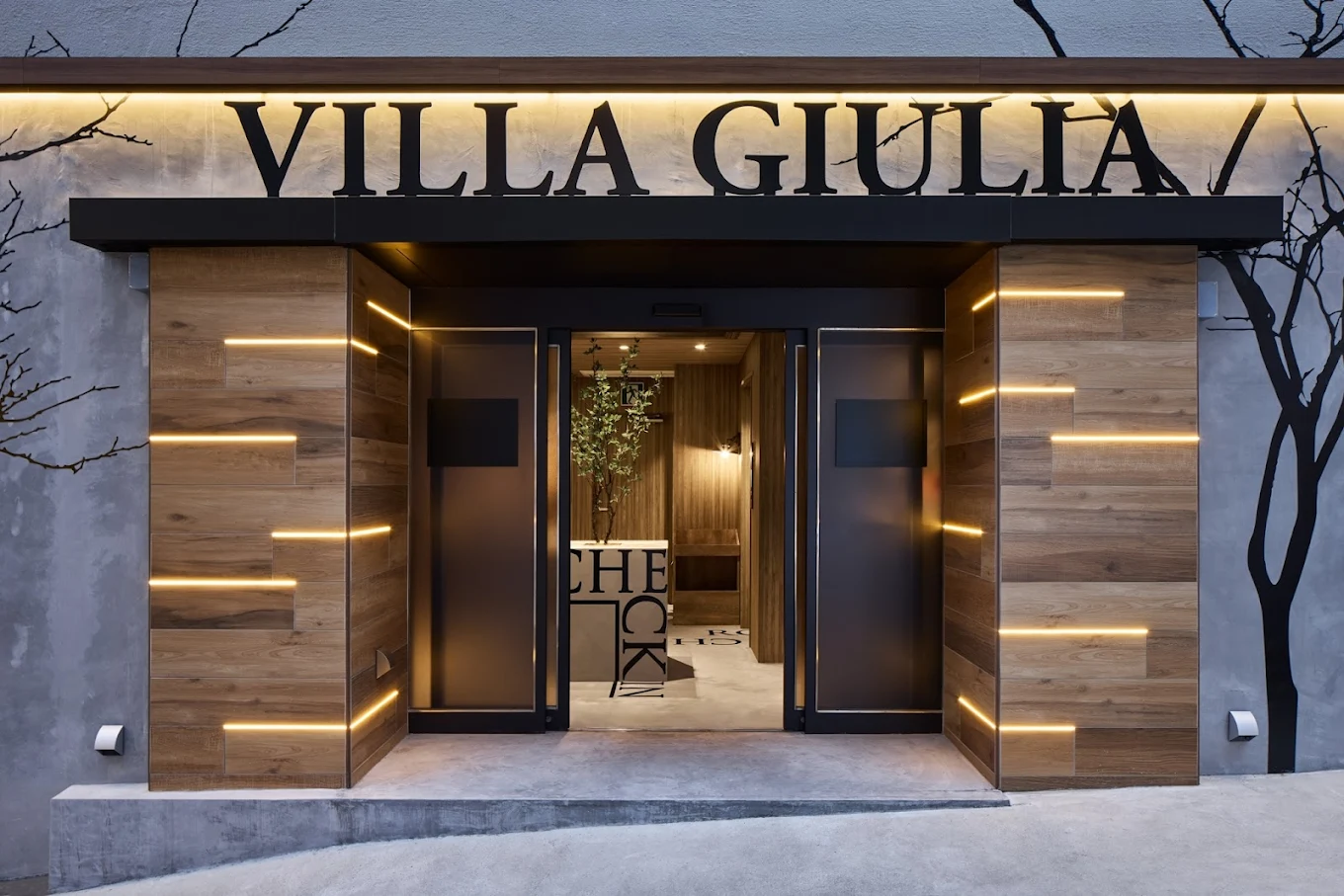
Hotel Villa Julia
Tokyo · Japan
Tokyo's Hotel Villa Julia exemplifies the classic Japanese love hotel experience with themed rooms, rotating selection panels, and discreet check-in s...


The male-client mirror image of this business is covered in our guide to Japanese host clubs, and the district where both are densest in our guide to Kabukicho. Rules for adult venues differ by country — see our legal status hub.
Frequently asked questions
Do hostess bars offer sexual services?
Mainstream hostess bars do not. The product is conversation, attention and company. Venues that do offer more are a different category of business under Japanese law, licensed differently.
How expensive is it?
It depends entirely on the venue tier — a small local bar and a Ginza establishment are not the same order of expense — and the total is cumulative rather than fixed. We do not quote figures, because the number that matters is the one the venue gives you before you sit down. Ask for all of it: set charge, extension rate, drinks, nomination.
What is shimei?
Nomination. For a fee you request a particular hostess rather than taking whoever is seated with you. It is how regulars build a relationship with one person, and it is how hostesses build a client base — their earnings depend on being nominated.
Will they accept a foreign customer?
Some will, some will not, and it is more often about language than about origin — the service is conversation, so a venue with no English-speaking staff has nothing to sell you. Places in areas with heavy international footfall are the likelier bet.
Is the industry regulated?
Yes, under the Fūeihō as an entertainment food and drink business, and more tightly since a 2025 amendment that added compliance duties in response to exploitative billing practices in the sector.