








In the United States a table dance is a thing you buy — a private dance at your table. In Mexico, table dance is the name of the venue. Someone saying they are going to a table dance means they are going to a strip club, and the phrase has displaced any Spanish equivalent almost entirely.
That single shift in meaning is the reason searches for Mexican nightlife return confusing results, and it is most of what a visitor needs to know before reading a listing.
What the venue is actually like
- A stage with dancers performing in rotation, and a floor where they circulate between sets. Structurally a strip club.
- A cover charge is common and frequently includes a drink or two, so the headline entry price is not always a pure entry price.
- Drinks bought for a dancer sitting with you are priced above your own, with part of the difference going to her. This is the same mechanism as a Thai lady drink or a Dutch contact bar.
- Private dances are sold per dance, at the table or in a booth, and are the venue's main product beyond drinks.
- Whether anything beyond dancing is available varies by venue and by individual, and is not a house service you can assume.
Regional character
The scene is not uniform. Border cities are adapted to visitors — English is widely spoken and prices are often quoted in US dollars, which tells you who the customer is expected to be. Inland cities are Spanish-speaking and considerably more local in feel.
Our Mexican coverage runs to 28 venues, concentrated in Cancún with seven, Mexico City with six, Guadalajara and Puebla with five each, and Tijuana with four.
Table dance venues we list in Mexico

Sala Michigan
Guadalajara · Mexico
Sala Michigan is an adult entertainment venue offering a unique way to relax and enjoy. The facilities maintain the highest standards of cleanliness a...
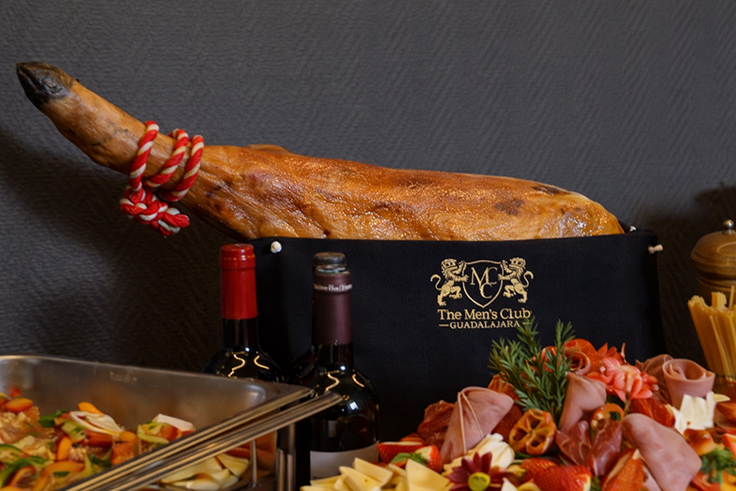
The Men's Club
Zapopan · Mexico
For over 3 decades, The Men's Club has been Guadalajara's premier gentlemen's club for adult entertainment. Since 1994, it has combined tradition with...
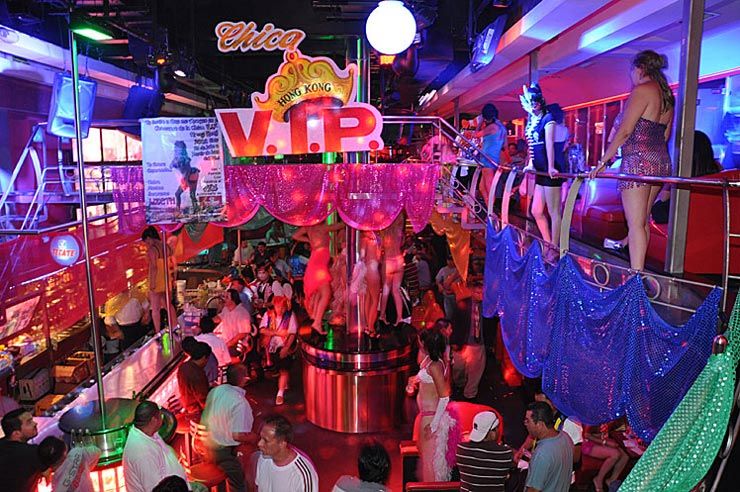
Hong Kong Gentlemens Club
Tijuana · Mexico
Hong Kong Gentlemen's Club is a world-famous strip club and tourist bar located on Calle Coahuila in Tijuana, Mexico. This tri-level all-night club fe...

Tropical Bar
Tijuana · Mexico
Tropical Bar is a fully nude exotic nightclub located in Tijuana, Mexico, offering a sexy island vibe with a spring break atmosphere every day. The cl...

Las Chavelas Bar
Tijuana · Mexico
Las Chavelas Bar is Baja's original Cowboy Cabaret, a tradition since 1974. Located in the heart of Zona Norte in Tijuana, Mexico, it is a live music...

La Cueva Bar
Tijuana · Mexico
La Cueva del Peludo is the best nightclub in La Mesa, Tijuana, BC, with over 40 years of tradition. Enjoy beautiful girls in a welcoming atmosphere, s...
The legal position
Mexico's legal position is often summarised as "prostitution is legal", and that is a misleading shorthand. Selling sex is not itself a federal crime and the regulation of venues sits with states and municipalities, which is why the rules differ between Tijuana and Mexico City. But the federal General Law on Trafficking in Persons sits over all of it, and its penalties are severe.
Under that law, benefiting from the exploitation of a person through prostitution, pornography, sexual exhibition, sex tourism or any other sexual activity carries 15 to 30 years' imprisonment plus a substantial fine. Recruiting, transporting, receiving or housing a person for the purpose of exploitation carries 5 to 15 years. Contracting someone for other work and then inducing them into sexual services by deception carries 5 to 10 years.
So the accurate version is this: the activity is not criminalised as such, and the apparatus around exploitation is criminalised heavily. "No legal risk for the customer" is not a statement anyone should rely on. Our legal status hub covers the country position.
The densest concentration of the format, and the one most visitors encounter first, is in Tijuana — covered in our guide to Zona Norte.
Frequently asked questions
Does "table dance" mean the dance or the club?
In Mexico, the club. The English phrase was borrowed and applied to the venue type, so a Mexican table dance is what an American would call a strip club. The dance itself is bought inside it.
Is a table dance venue a brothel?
Not as a rule. Many are strip clubs where the product is dancing and drinks. Some are venues where more can be arranged, and that varies by establishment and by individual rather than being a house service. Do not assume either way.
What does a private dance cost?
It is priced per dance and varies by city and venue. Ask before the dance rather than after — this is the most common point of dispute in the format anywhere it exists.
Will English be spoken?
In border cities like Tijuana, widely — the venues are adapted to visitors from north of the border. Inland, in Mexico City or Guadalajara, expect Spanish.
Is it legal?
Selling sex is not a federal offence in Mexico and venue regulation is handled by states and municipalities. What is heavily criminalised is exploitation: benefiting from the exploitation of another person through prostitution carries 15 to 30 years under the federal trafficking law.