










A terma in Brazil is a large venue that is genuinely a spa and genuinely an adult venue at the same time. Pool, sauna, steam room, bar, restaurant — all real, all usable, and people do use them as leisure facilities. The adult side comes from the garotas de programa working the communal areas, with private rooms provided on site.
The word itself is ambiguous in Portuguese and context resolves it. Termas in the interior are thermal spring spas. A terma on a Friday night in São Paulo is not.
How a visit is structured
- You pay an entry fee at the door and are given a locker, a towel, and usually shorts or a robe.
- That fee buys the facilities and nothing else. Anything agreed with a woman is a separate transaction, settled directly with her.
- The communal areas are the point. People eat, drink, sit in the sauna and talk, and the approach happens there rather than at a bar rail.
- Private rooms are provided by the house, which is what distinguishes the format from a club where you would go elsewhere.
- It is the closest Brazilian relative of the German FKK club — same day-rate-plus-communal-space structure, different atmosphere entirely.
- Portuguese is the working language. English is possible in the larger São Paulo venues and not much beyond them.
The legal position, which is the interesting part
Brazil's position is frequently described as "prostitution is legal", and the more precise version is more interesting. Selling sex as an adult has never been criminalised — there is no offence for the worker. What the Penal Code targets is everyone around her.
Article 228 makes it an offence to induce or attract someone into prostitution or another form of sexual exploitation, to facilitate it, or to prevent or hinder someone from leaving it: two to five years and a fine, rising to three to eight in aggravated cases. Article 229 criminalises maintaining an establishment in which sexual exploitation occurs — and it applies whether or not there is any intent to profit and whether or not the owner or manager mediates anything directly. That wording matters: until Lei 12.015 of 7 August 2009 the article covered a “casa de prostituição or place intended for libidinous encounters”, which reached any premises where sexual encounters took place. The 2009 amendment narrowed it deliberately. Article 230 covers rufianismo, living off the earnings of another's prostitution, and Brazil's Superior Court of Justice has held that these offences can coexist and be punished separately rather than one absorbing another.
That narrowing is what decides where a venue stands, and it cuts against the way this is usually told. Since 2009 the offence turns on exploitation rather than on the premises: keeping a house of prostitution is not, in itself, the crime — holding someone in a condition of exploitation is. So a venue is not automatically criminal by existing, and it is not automatically safe either. The exposure sits in how the place is run, which is a harder question than the one the older wording asked. Our legal status hub covers the country position.
What we list in Brazil
Thirty-six venues, in São Paulo with sixteen, Rio de Janeiro with thirteen and Brasília with seven. None of them is a terma: what we hold is massage clínicas and night venues, which is a different part of the same market. Worth knowing before you click through expecting the format this article describes.
One practical note if you are searching the site: our country record for Brazil is stored under the Portuguese spelling, Brasil.
Venues we list in Brazil

Enigma Club
Sao Paulo · Brasil
Enigma Club is the best swing and liberal nightclub in São Paulo, located in the upscale Moema neighborhood. It offers unique and exclusive entertainm...
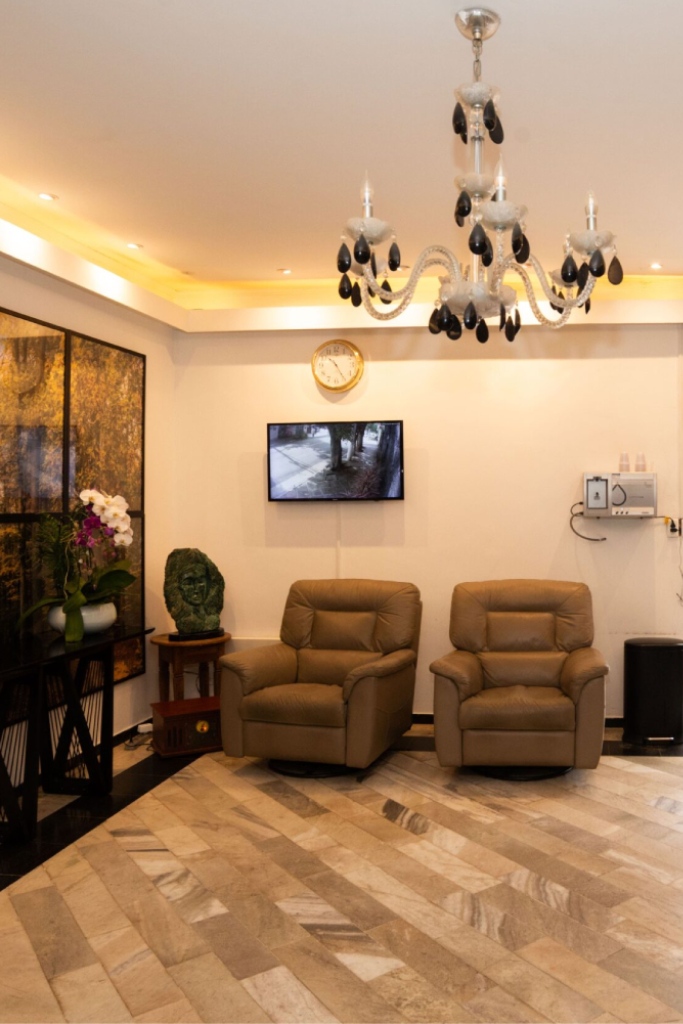
Clínica Tangará
Sao Paulo · Brasil
Clínica Tangará offers more than massage therapy — it provides a unique sensory experience where deep relaxation meets the pleasure of careful touch....
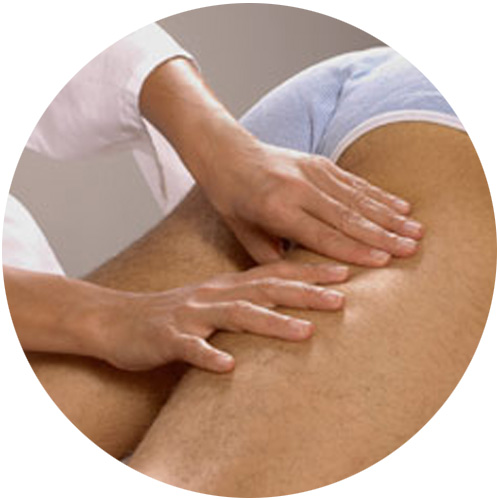
Clínica Kahunas
Rio de Janeiro · Brasil
Clínica Kahunas is a massage therapy clinic offering relaxing and therapeutic treatments. Services include Massotherapy (anti-stress and relaxing tech...

Clínica Cherry
Sao Paulo · Brasil
Clínica Cherry is an erotic massage clinic located in São Paulo, Brazil. The clinic features fully air-conditioned treatment rooms designed to provide...

Bar Bacantes
Sao Paulo · Brasil
Bar Bacantes is a swingers club located in the Perdizes neighborhood of São Paulo, Brazil. The venue offers a wide range of facilities including colle...
Clinica de Massagem Aneesh
Sao Paulo · Brasil
Aneesh is a sensual and relaxing massage clinic located in the Pompéia neighborhood in the West Zone of São Paulo. The clinic offers professional mass...
The term for the women working in a terma, and how the wider Brazilian scene is organised, is covered in our guide to garotas de programa. For the European format the terma most resembles, see erotic saunas and FKK clubs.
Frequently asked questions
What does the entry fee cover?
The facilities — pool, sauna, steam room, and access to the bar and restaurant, which you pay for separately as you would anywhere. It does not cover anything agreed with a woman inside, which is arranged and paid directly.
Do I have to use the spa at all?
No. Some people spend hours in the pool and sauna and treat it as a day out; others are there for a shorter and more specific visit. Both are ordinary.
How is a terma different from a brothel?
A bordel is premises organised solely around the transaction. A terma is a leisure facility that functions as both, and the communal space is genuinely used as such. Legally the distinction is thinner than it looks — Article 229 of the Penal Code reaches a place intended for libidinous encounters regardless of what else it also is.
Is it legal?
The woman is committing no offence — selling sex as an adult is not criminalised in Brazil. The venue is in a different position: maintaining a place intended for libidinous encounters is an offence under Article 229 whether or not anyone profits. Termas operate openly, but "openly" and "lawfully" are not the same word.
Is English spoken?
Sometimes in the bigger São Paulo venues, rarely elsewhere. A few words of Portuguese go a long way and are noticeably appreciated.